
Mishnah 1: The four primary causes of injury
The Torah names four primary causes of injury: the ox, the pit, the crop-destroying beast and fire. Each has a feature the others lack, and what they share is that you are responsible to guard them.
The four
- The four primary causes of injury (avot nezikin)avot nezikin (primary causes of injury) are the ox, the pit, the crop-destroying beast and fire.
- Each has its source in the Torah: the pit in Exodus 21:33; the "ox" (the foot) in "and he lets his animal loose" (22:4, compare Isaiah 32:20); the crop-destroying beast (the tooth) in "and it feeds in another's field" (22:4); fire in 22:5.
Why four?
- The ox is not like the crop-destroying beast; neither is like fire, which is not alive; none of these, whose way is to go out and damage, is like the pit, whose way is not.
- Because they differ in character, none of the four could be learned from another, so the Torah had to write all four.
What they share
- It is their way to do injury, and you are responsible to guard them.
- When one of them does injury, whoever is responsible pays with the best of the land.
Kehati's notes
- The Gemara disputes what the four are. Rav says the mishnah names the main kinds of damage in the Torah (the ox covers horn, tooth and foot, the "crop-destroying beast" is a person who damages). Shmuel says it names only four kinds of property damage that are attested dangers from the start: the foot ("ox"), the tooth ("crop-destroyer"), the pit and fire.
ארבעה אבות נזיקים. השור. והבור. והמבעה. וההבער.
לא הרי השור. כהרי המבעה. ולא הרי המבעה כהרי השור. ולא זה וזה שיש בהן רוח חיים. כהרי האש שאין בו רוח חיים. ולא זה וזה שדרכן לילך ולהזיק. כהרי הבור שאין דרכו לילך ולהזיק.
הצד השוה שבהן שדרכן להזיק. ושמירתן עליך. וכשהזיק חב המזיק לשלם תשלומי נזק במיטב הארץ:
There are four primary causes of injury (avot nezikin)avot nezikin (primary causes of injury): the ox (shor)the shor (ox), the pit (bor)the bor (pit), the crop-destroying beast (mav'eh)the mav'eh (crop-destroying beast) and fire (hev'er)hev'er (fire).
The oxThe shor is not like the crop-destroying beastthe mav'eh, and the crop-destroying beastthe mav'eh is not like the oxthe shor; neither of these, which have a living spirit, is like firehev'er, which has no living spirit; and none of these, whose way is to go out and cause damage, is like the pitthe bor, whose way is not to go out and cause damage.
What they have in common is that it is their way to cause damage, and that their guarding is upon you. When one of them causes damage, the damaging party (mazik)the mazik (damaging party) is obligated to pay for the damage with the best of the land.
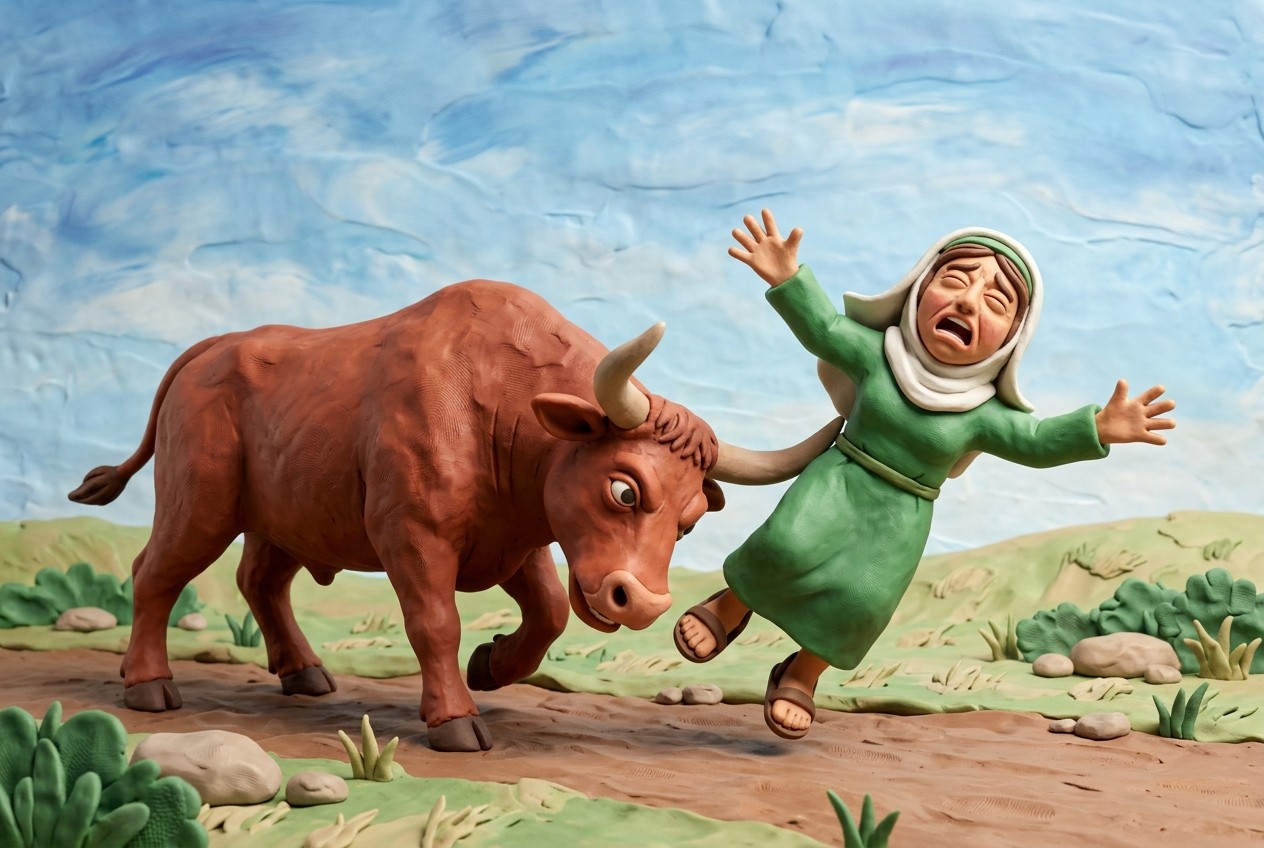
Shor (the ox)
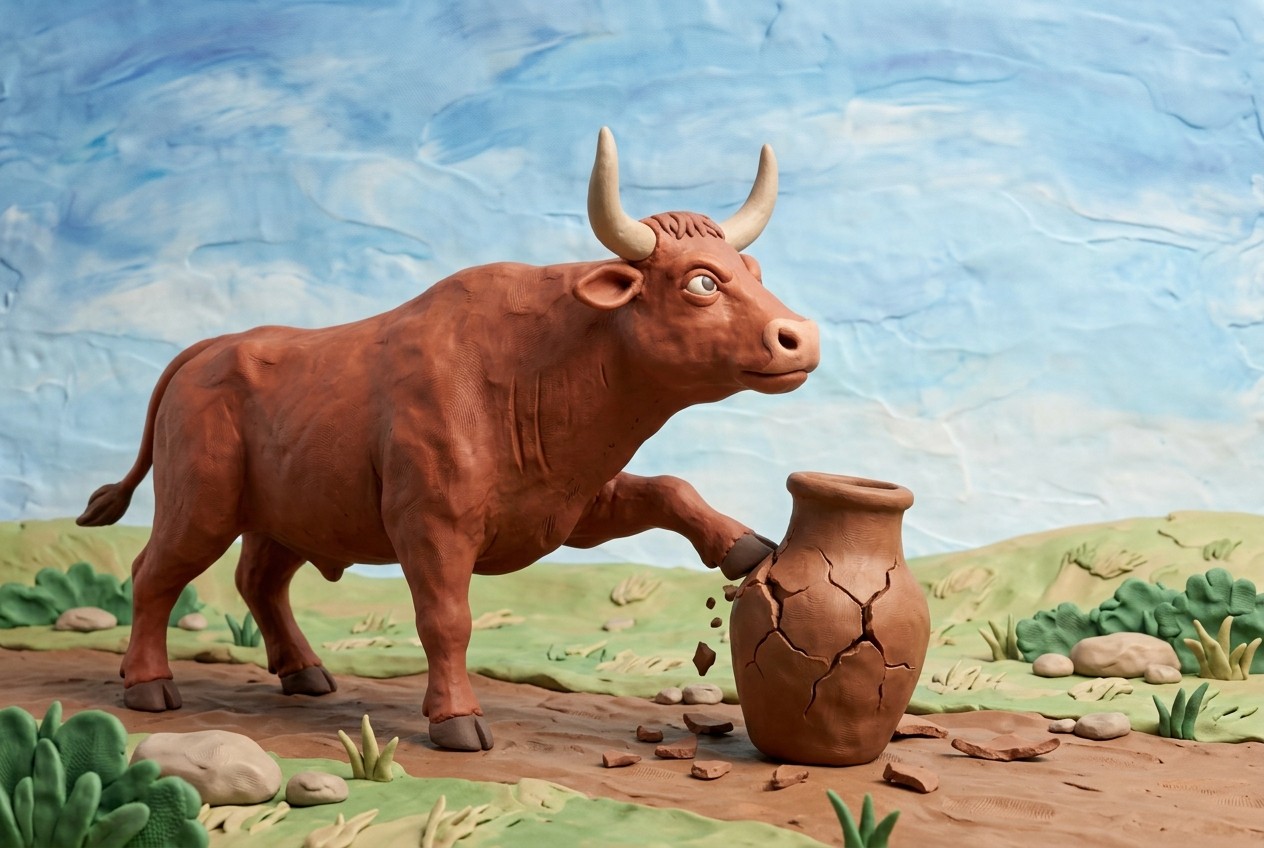
Bor (the pit)
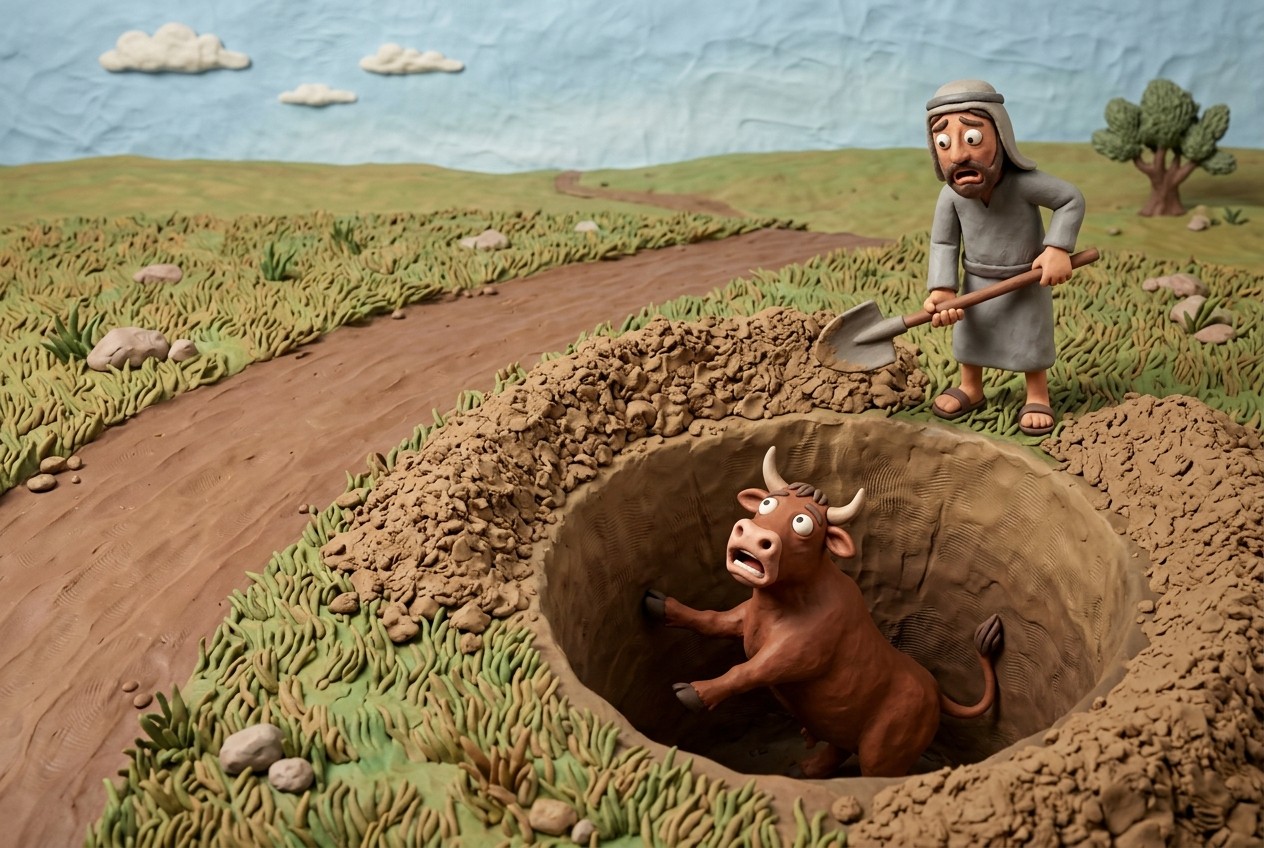
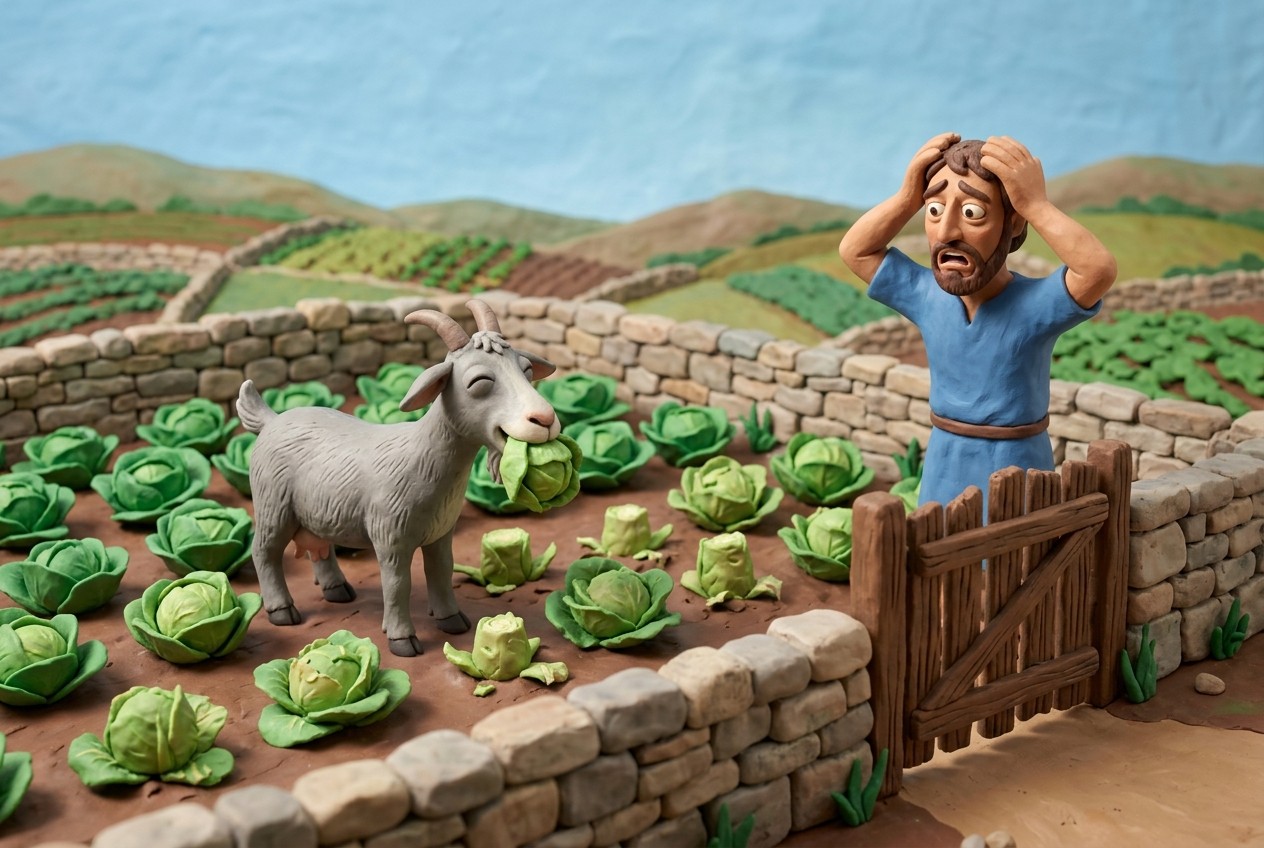
Mav'eh (the crop-destroying beast)
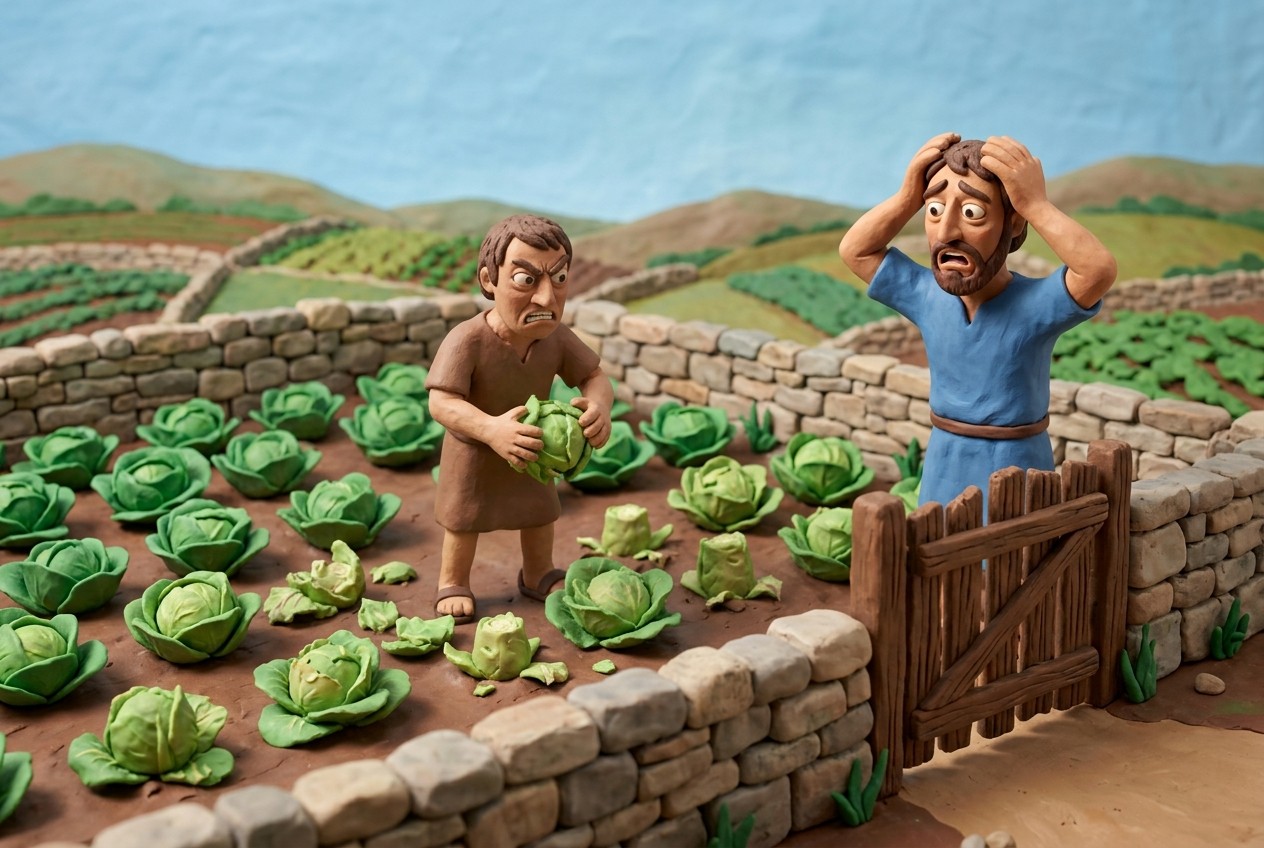
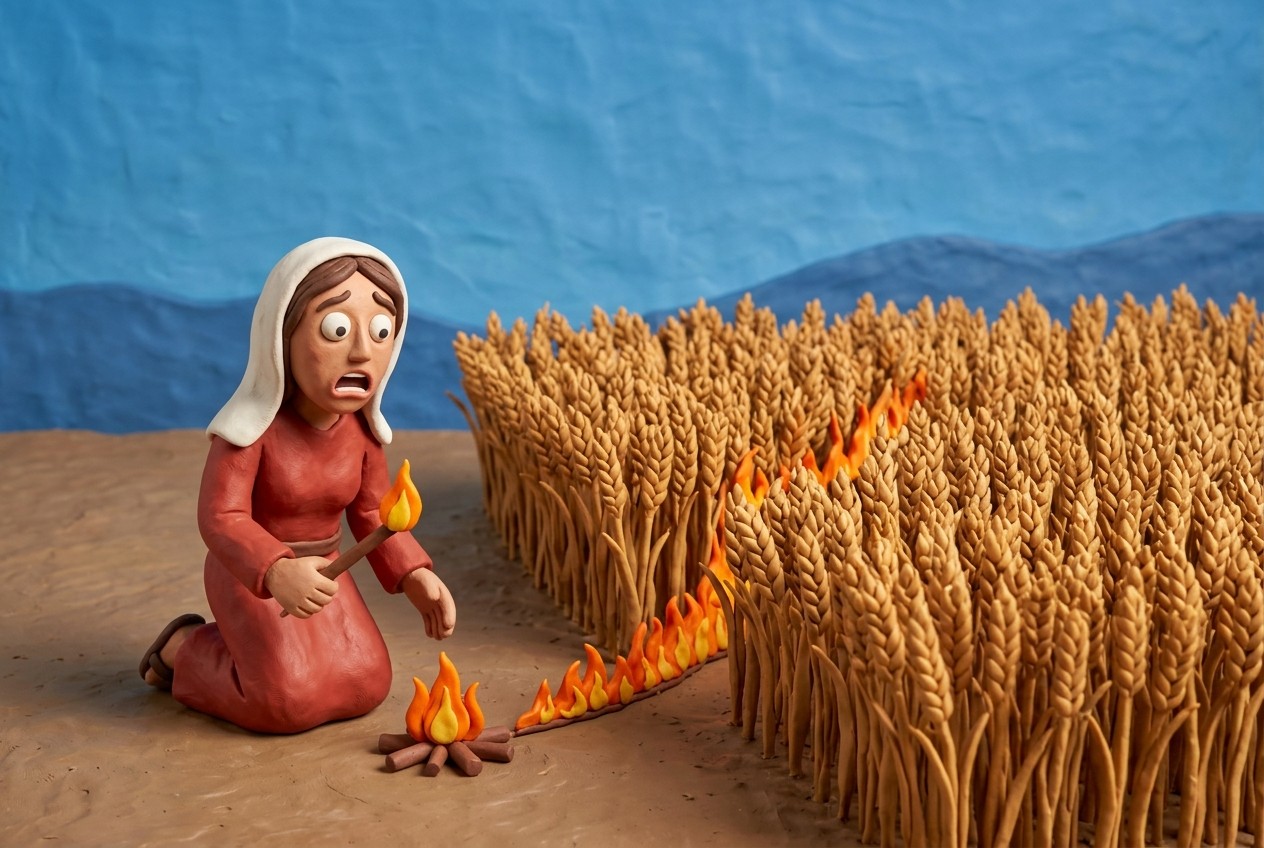
Hev'er (fire)
Mishnah 2: What I must guard, and for what damage I pay
A person is liable for what he is bound to guard, even if he only partly caused the damage. Payment is only for property that is not sacred, belongs to Jews, is owned, and damaged outside the damager's own domain and the domain shared by both.
The principle
- Anything I am responsible to guard, I have rendered it possible to do injury.
- If I partially rendered it possible, I pay as if I totally did.
When the damager pays
- The property damaged is not sacred (no "sacrilege", me'ilah), belongs to members of the covenant (Jews), and is owned.
- The injury is done in any place other than the private domain of the damager and the domain shared by damager and damaged.
- Payment is with the best of the land.
Kehati's notes
- The partial case is clearer with Kehati's example: a pit of nine handbreadths that he deepened by one, to ten, so an animal that falls dies.
- The conditions: sacred property is excluded because the verse says "his neighbour's ox", not the Temple's; gentiles' property is covered in 4:3; ownerless property is excluded too.
כל שחבתי בשמירתו הכשרתי את נזקו. הכשרתי במקצת נזקו חבתי בתשלומין כהכשר כל נזקו.
נכסים שאין בהן מעילה. נכסים של בני ברית. נכסים המיוחדים ובכל מקום חוץ מרשות המיוחדת למזיק ורשות הניזק והמזיק.
וכשהזיק חב המזיק לשלם תשלומי נזק במיטב הארץ:
Anything I am bound to guard, I have prepared its damage. If I did so for only part of its damage, I am liable for payment as if for all of it.
This applies to property that is not subject to misuse of consecrated property (me'ilah), to property of the members of the covenant, and to property that has an owner, and in any place except the domain of the damaging party (mazik)the mazik (damaging party) alone and the domain shared by the damaged party (nizak)the nizak (damaged party) and the damaging partythe mazik.
When the damaging partythe mazik causes damage, he is obligated to pay for the damage with the best of the land.
Mishnah 3: How damages are assessed
Damages are assessed in money before a court, on the evidence of free Jewish witnesses. Women are included. The injured and the injurer can share the loss.
The procedure
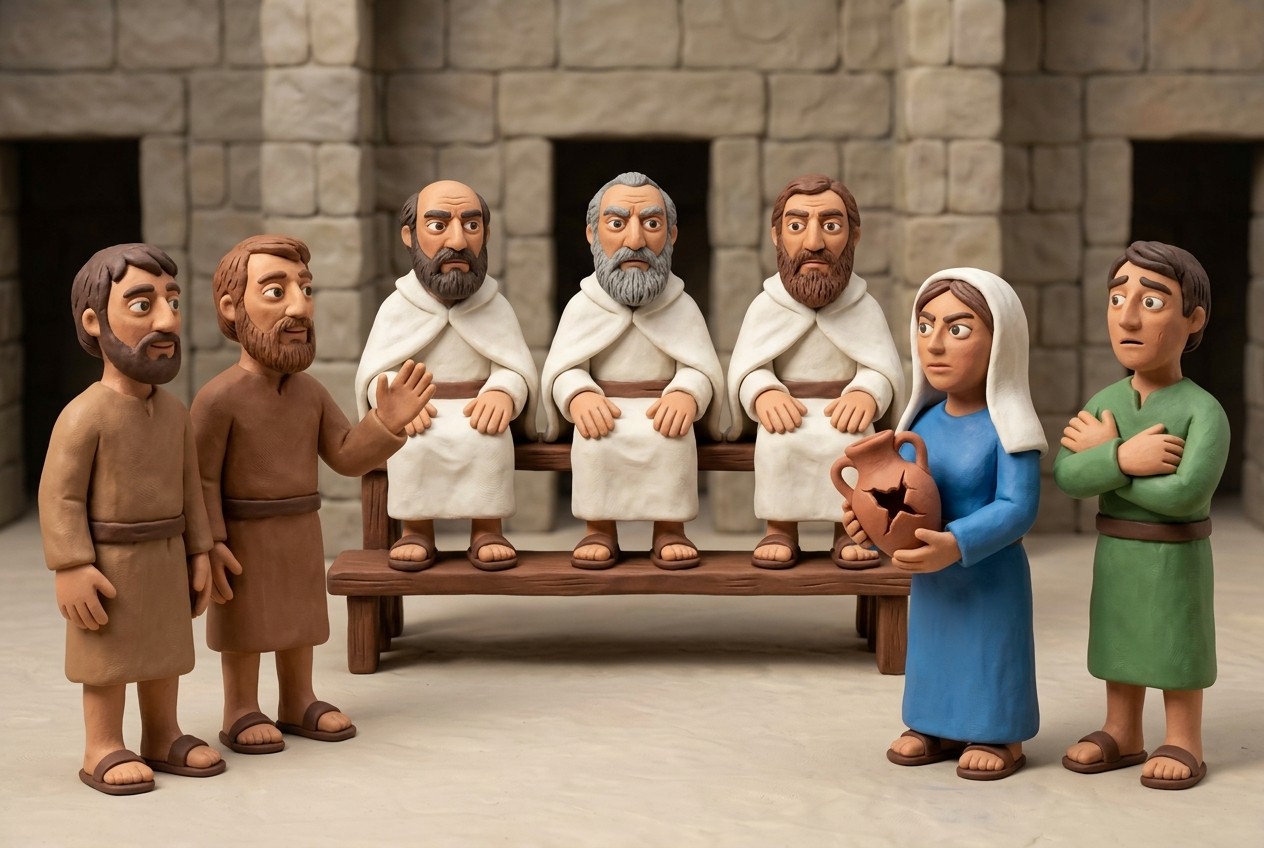
- Assessment of the injury in money or things worth money is made before a court of law and by witnesses who are free and Children of the Covenant.
- The assessment is in money only: the court sets the money value of the damage, and that is what the damager pays.
Women
- Women may be parties in suits concerning injury.
- Kehati: the Torah's law applies to women too, from the verse that follows the Sinai chapters, "these are the laws that you shall set before them" (Exodus 21:1).
Sharing the compensation
- The injured and the injurer may share in the compensation.
- Sometimes both share the loss. When a tam ox gores, the damager pays only half the damage, so the injured party bears the other half.
Kehati's notes
- The assessment is made only before a court of experts, not a lay court.
- The Gemara disputes whether the half damages of a tam ox is money or a fine (Rav Pappa: money; Rav Huna: a fine).
Assessing damages
| What | The rule |
|---|---|
| Where | before a court (of experts) |
| Witnesses | free and Jewish |
| Who may sue | women as well as men |
| Half damages | the injured and the injurer share the loss |
שום כסף. ושוה כסף. בפני בית דין. ועל פי עדים בני חורין. בני ברית.
והנשים בכלל הנזק.
והניזק והמזיק בתשלומין:
Damages are assessed by money value, by what is worth money, before a court and on the testimony of witnesses who are free and members of the covenant.
Women are included in the laws of damages.
The damaged party (nizak)The nizak (damaged party) and the damaging party (mazik)the mazik (damaging party) are involved in the payment.
Mishnah 4: Unattested and attested dangers
Five agents are unattested danger (tam)tam (unattested danger) and five are attested dangers (mu'ad)mu'ad (attested dangers). A tam pays half damages from its own body; an attested danger pays full damages with the best of the land.
Five tamim
- An animal is not an attested danger to butt, push, bite, lie down or kick.
Five attested dangers
- The tooth is an attested danger to eat what is fit for it; the leg to break as it walks; an ox that has been warned; an ox that damages in the domain of the damaged party; and human beings.
- The wolf, lion, bear, leopard, panther and snake are attested dangers. Rabbi Eliezer: when tame they are not, but the snake always is.
The difference
- The tam pays half damages from its own body; the attested danger pays full damages with the best of the land.
- Some damagers are attested dangers from the start, because doing that damage is what they usually do by their nature, like the tooth eating and the foot breaking as it walks.
Kehati's notes
- The Torah (Exodus 21:35): "sell the live ox and divide its price": a tam ox pays only from its own value. If it died or was lost, the owner pays nothing more.
Halakha
- The halakha does not follow Rabbi Eliezer.
Unattested and attested dangers
| What it does | What the owner pays | |
|---|---|---|
| Unattested danger (tam) | butts, pushes, bites, lies down, kicks | half damages, from the body of the animal |
| Attested danger (mu'ad) | eats what it likes, breaks as it walks, a warned ox, an ox in the damaged party's domain, a person, wild beasts and the snake | full damages, with the best of the land |
חמשה תמין וחמשה מועדין. הבהמה אינה מועדת. לא ליגח. ולא ליגוף. ולא לשוך. ולא לרבוץ. ולא לבעוט.
השן מועדת לאכול את הראוי לה. הרגל מועדת לשבור בדרך הלוכה. ושור המועד. ושור המזיק ברשות הניזק. והאדם.
הזאב. והארי. והדוב. והנמר. והברדלס. והנחש. הרי אלו מועדין.
רבי אליעזר אומר בזמן שהן בני תרבות אינן מועדין. והנחש מועד לעולם.
מה בין תם למועד אלא שהתם משלם חצי נזק מגופו ומועד משלם נזק שלם מן העלייה:
Five are unattested dangers (tamim)tamim (unattested dangers) and five are attested dangers (mu'adim)mu'adim (attested dangers). The animal is not an attested dangera mu'ad for goring, for pushing, for biting, for lying on, or for kicking.
The tooth is an attested dangera mu'ad for eating what is fit for it; the foot is an attested dangera mu'ad for breaking as it walks; an ox that has been warned is an attested dangera mu'ad; an ox that damages on the property of the damaged party (nizak)the nizak (damaged party) is an attested dangera mu'ad; and a person is an attested dangera mu'ad.
The wolf, the lion, the bear, the leopard, the panther and the snake are attested dangersmu'adim.
Rabbi Eliezer says: when they are domesticated they are not attested dangersmu'adim, but the snake is always an attested dangera mu'ad.
What is the difference between the unattested dangerthe tam and the attested dangerthe mu'ad? Only that the unattested dangerthe tam pays half damages from its own body, and the attested dangerthe mu'ad pays full damages with the best of the land.
Chapter summary
Draft for review. The outlines are in our own words.
Key principles
- Four primary causes of injury (avot nezikin)avot nezikin (primary causes of injury): the ox (shor)the shor (ox), the pit (bor)the bor (pit), the crop-destroying beast (mav'eh)the mav'eh (crop-destroying beast) and fire (hev'er)hev'er (fire). Each is in the Torah, and each has a feature the others lack. 1:1
- What I am bound to guard, if I did not guard it, I have prepared its damage, even if only partly. 1:2
- Damages are paid only for property that is not sacred, belongs to Jews, is owned, and is damaged outside the damager's own domain and the domain shared by both. 1:2
- Damages are assessed in money before a court of experts on the evidence of free Jewish witnesses. Women are included. 1:3
- An animal that is an unattested danger (tam)a tam (unattested danger) pays half damages from its own body; an attested danger (mu'ad)a mu'ad (attested danger) pays full damages with the best of the land. 1:4
Key terms
avot nezikin (primary causes of injury) אבות נזיקין 1:1
The four basic categories of damage in the Torah: ox, pit, crop-destroying beast and fire.
tam (unattested danger) תם 1:4
An animal not yet attested as a danger for a given damage; it can still do damage.
Its owner pays half damages from the animal's own value.
mu'ad (attested danger) מועד 1:4
An animal or person whose way is to do damage, or an animal that has been warned (attested) to do it.
The one responsible pays full damages with the best of the land. A human being is always a mu'ad.
meitav ha'aretz (the best of the land) מיטב הארץ 1:11:2
The payment for full damages comes with the best of the land.
me'ilah (misuse of consecrated property) מעילה 1:2
Using sacred property (hekdesh) for one's own benefit.
In this tractate: In Bava Kamma it appears only in passing: the laws of damages cover property that is not subject to me'ilah, that is, an ordinary person's property and not the Temple's.
mazik (damaging party) מזיק 1:11:21:3
The one responsible for the damage: the owner of the ox, pit or fire that did the damage, or the person who did it.
He pays full damages with the best of the land, assessed in money before a court. There is no payment for damage in his own private domain.
nizak (damaged party) ניזק 1:21:31:4
The one who suffered the damage: the owner of the damaged property, or the injured person.
He collects only for property that is not sacred, belongs to Jews and is owned.
shor (ox) שור 1:1
The ox: one of the four primary causes of injury. It is alive, and its way is to go out and do damage.
The Gemara disputes what the mishnah's "ox" includes: Rav says damage by horn, tooth and foot; Shmuel says only the foot, damage by its walking. Goring with the horn is treated separately, in 2:4-2:5 and chapter 4.
bor (pit) בור 1:1
The pit: one of the four primary causes of injury. Unlike the ox and fire, its way is not to go out and do damage: the victim walks or falls into it.
One who digs or opens a pit where he has no right to is liable for an animal that falls in and dies or is injured, but only if the pit is ten handbreadths deep for a death (a shallower one makes him liable for an injury only), and not for vessels or for a person.
mav'eh (crop-destroying beast) מבעה 1:1
The crop-destroying beast: one of the four primary causes of injury. Like the ox, its way is to go out and do damage.
Shmuel takes it as the tooth: an animal eating what is fit for it, an attested danger (mu'ad)a mu'ad (attested danger) from the start. Rav takes it as a person who damages.
hev'er (fire) הבער 1:1
Fire: something with no living spirit whose way is to go out and do damage. One of the four primary causes of injury.
The one who kindles it must guard it, and pays for what it burns, wood, stones and earth included.
Key debates
What are the four primary causes of injury? 1:1
The mishnah names the main kinds of damage in the Torah.
It names only four kinds of property damage that are attested dangers from the start (foot, tooth, pit, fire).
Do tame wild animals count as attested dangers? 1:4
The wolf, lion, bear, leopard, panther and snake are attested dangers.
Tame ones are not, but the snake always is. The halakha does not follow him.